The elevated sections of the VL give massive Skytrain vibes. A side note, it's good to see cities in Canada starting to see the benefits of elevated rail transit. The Skytrain should be a model for future systems to follow and I'm sure it was a big inspiration for both the VL and the REM which both opened last year. Honolulu's new train is also elevated, Sound Transit (for all its faults) is building a lot of elevated light rail as well. This is a trend I hope to see continue and expand across the continent. Faster than at grade, but cheaper than tunneled.
 
With the cold weather and poorer road issues that began a few days ago with snow, two co-workers have been taking the Valley Line this week for the first time - getting on at Mill Woods and then connecting at Churchill to the capital line to Corona.

Both having favorable experiences.
 
Unfortunately I've said it over and over. If the train ran a late night service I'd give up completely driving to work downtown. When we finish loading out a concert, it is anywhere between midnight and 2am.
The Capital Line goes till 1:45am. Hopefully in time the Valley Line can go up from 1am to 2am. At the very least, there should be a replacement bus between 1am and 5:30am, like Toronto does.
 
Give it a rest mate. Jesus.

Brentwood in Vancouver is renowned as model for many above grade stations.
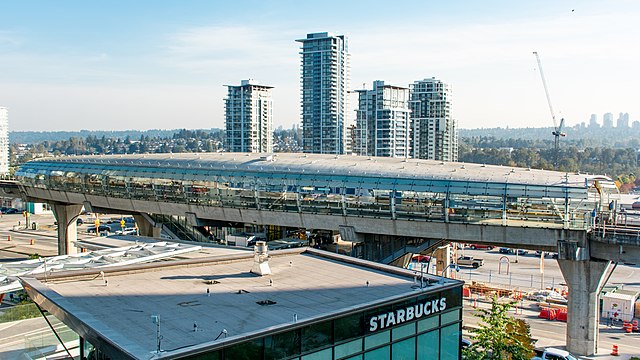
640px-Brentwood_Station_2022.jpg

wiki

Too many road lanes next to WEM station.
WEM is a major origination and destination point for locals and tourist types, whilst only a small percentage will be able to avail use of the tram line. Cars, taxis, shuttles, ubers/lyfts, busses, bicycles, scooters and pedestrians have a requirement for mobility no?
 
I thought I would tack on another perspective to the safety debate. For background, I currently live in Vancouver and take transit regularly. I hardly ever feel unsafe. So when I came back for the holidays, I was surprised when I came back for the holidays and took the capital line how noticeably less comfortable I was.

But interestingly, I don't think there's any more sketchy people on transit in edmonton than there is in Vancouver. There is however a difference in total ridership. There may be the same number of sketchy seeming people, but the ratio of them is much lower. They're less noticeable because they make up a smaller percentage of the ridership. You also feel the safety in numbers, that there's enough people around that you don't feel like they're likely to try anything. If there's two sketchy people on the platform it's pretty noticeable when there's only a few other people there with you. Not as much when there's 50 or more there with you.

I now understand why my Edmonton friends give me a funny look when I say I prefer to take transit if I can. At the same time, the perception of transit in edmonton being unsafe at least partially contributes to it feeling unsafe by reducing ridership.

To me, one of the biggest contributors to transit feeling safe is high ridership.
It feels a bit like a chicken and egg thing.
 
There are many things the city could do to encourage more transit use, but ETS does not have much of a customer service mentality.

In the short term, special pricing for certain major events downtown and elsewhere might help. In the medium to long run making it more convenient would help.

For instance, instead of making seniors walk blocks and blocks, how about having more stops outside of seniors residences, trying to improve on time service and more frequent service on certain routes would help too.

I feel the choice made now is not to try increase use, but to try reduce the number of sketchy people riding. It is probably cheaper and easier and may help some, but I am not sure it will help that much in the long run.
 

Back
Top