News   GLOBAL  |  Apr 02, 2020
 11K     0 
News   GLOBAL  |  Apr 01, 2020
 43K     0 
News   GLOBAL  |  Apr 01, 2020
 6.7K     0 
What a mess! Last time I checked still couldn't get the "free" 15 minutes to work without putting in credit card info first which I am reluctant to do on a third party app.
 
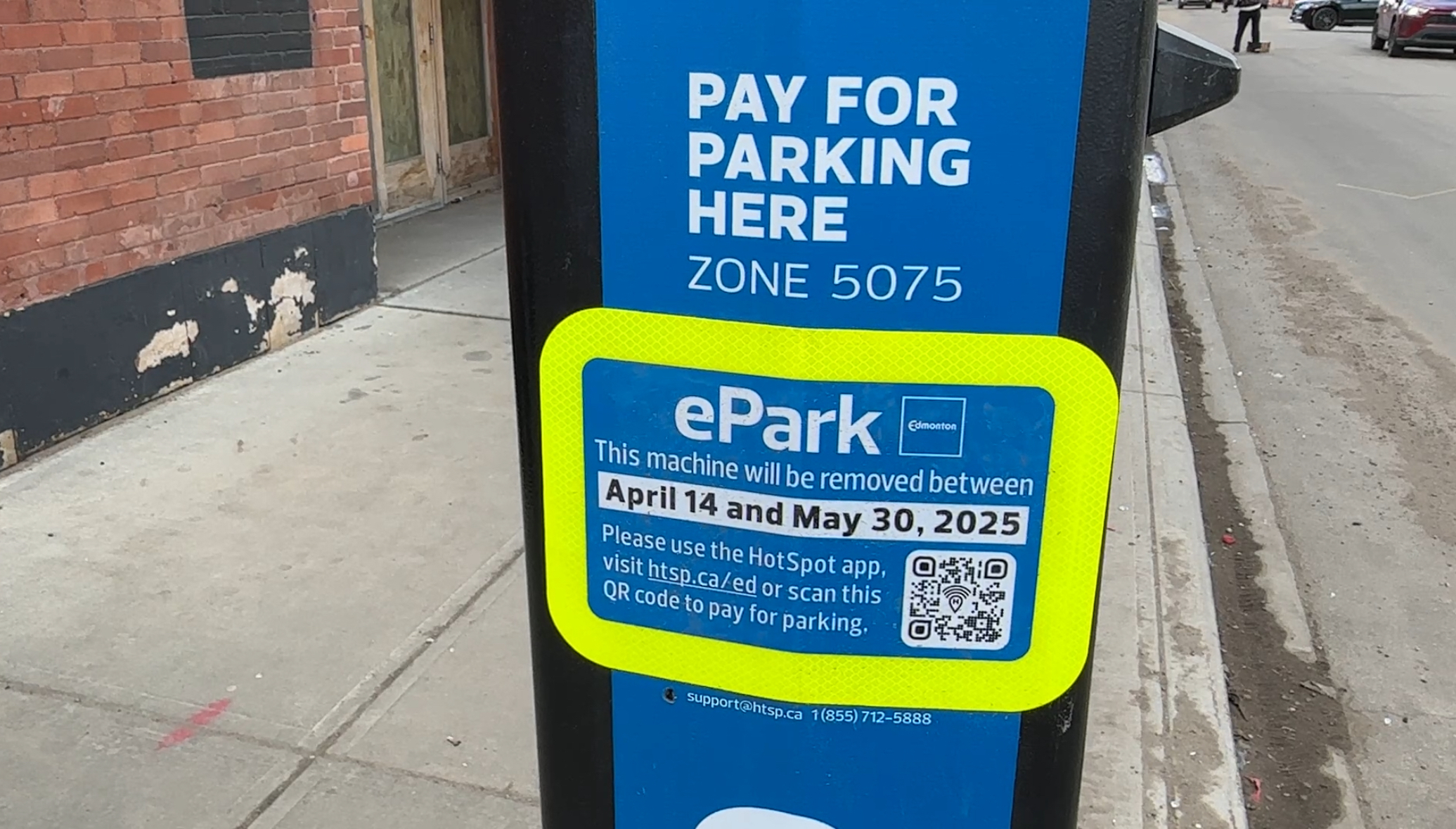
Two things that might help the general public with the new parking changes.

1) Right now, they have 5-6 signs indicating paid parking running down the block per zone, but only one or two barcodes and sometimes it’s at the end of the block in an obscure location. Maybe double the amount of amount of barcode signs (every other pole) to make it easier to locate.

2) The barcodes are currently on opposite sides of the paid parking signs. If they were on the same side of the pole as the parking sign, people would see the barcode immediately and know where to pay beforehand, before they even exit their vehicle.

Just my 2 cents

Edited to add: Stevenson is an idiot. NOBODY is pre-paying for parking at home before driving downtown. What is your zone is full when you arrive, or you get stuck in traffic and are late arriving. 🤦‍♂️
 
I’ve seen more signs on parkades showing available spots. I wonder if there’s an app showing available parade spots downtown.
 
Findings from Angus Reid 2026 report on State of Car Ownership in Canada

The average Canadian vehicle remains parked roughly 22.6 hours per day, meaning it sits unused nearly 95% of the year.

With average price of a used car at $33,000 and new car $63,000 (plus yearly insurance, fuel, maintenance, repairs), 77% of Canadians say monthly cost of vehicle ownership is not affordable.

Nearly 45% say they wish viable alternatives existed that would allow them to avoid owning a car.

32% of Canadians reported driving less frequently to reduce costs.

18% have delayed maintenance or repairs to reduce costs.

Declining Youth Ownership: Car ownership among Gen Z is falling, with 36% not owning a vehicle and a 9% decline in owners aged 25 to 34 between 2025 and 2026.

 
Findings from Angus Reid 2026 report on State of Car Ownership in Canada

The average Canadian vehicle remains parked roughly 22.6 hours per day, meaning it sits unused nearly 95% of the year.

With average price of a used car at $33,000 and new car $63,000 (plus yearly insurance, fuel, maintenance, repairs), 77% of Canadians say monthly cost of vehicle ownership is not affordable.

Nearly 45% say they wish viable alternatives existed that would allow them to avoid owning a car.

32% of Canadians reported driving less frequently to reduce costs.

18% have delayed maintenance or repairs to reduce costs.

Declining Youth Ownership: Car ownership among Gen Z is falling, with 36% not owning a vehicle and a 9% decline in owners aged 25 to 34 between 2025 and 2026.

Interesting article. Been thinking a lot about how much the cost of driving has skyrocketed in even just the ~14 years since I got my license at 16.

Just for some anecdotes, in highschool back in 2012 we all drove 15-20 year old Civics and Corollas that were ~$1000 to buy off Kijiji or Autotrader. Insurance was about $2k/year. Couple weeks ago I was talking to a guy whose son turned 16 and got his license but insurance through AMA wants $5k/year, and 20 year old Civics and Corollas are $4-6k to buy. Nearly impossible to find something roadworthy for under $2k.

So the cost of a cheap used starter car and insurance for a year basically went from $3k to nearly $8-10k for a young new driver. When you factor in that minimum wage for those under 18 is only $13/hr (think it was like $9.50 back in 2012), it's no wonder car ownership is cratering.
 
Hopefully we will see a cultural shift towards public transit and thereby more efficient, safe and connected systems.

That and a broader multi-modal shift.
Given that nearly half of all car trips are under 5km, and a decent amount under 3km, that's low hanging fruit where safe, well connected bike routes and walking could accommodate to reduce overall congestion.

City planner Brent Toderian with a fundamental truth of transportation: "if you grow in cars as you do in population, with the same mode share, you get gridlock. It doesn't fit."
 
I'd also extend that to safe and ubiquitous bike parking. We bike for recreation and fun, rarely on errands or meals/drinks. Not because we don't want to, but because it's unsafe to leave your bike anywhere and theft is rampant. I'd love to be able to do a bike ride for groceries but I spent a fair chunk on a good gravel bike and I am not prepared to lose it.
 
I'd also extend that to safe and ubiquitous bike parking. We bike for recreation and fun, rarely on errands or meals/drinks. Not because we don't want to, but because it's unsafe to leave your bike anywhere and theft is rampant. I'd love to be able to do a bike ride for groceries but I spent a fair chunk on a good gravel bike and I am not prepared to lose it.
I parked my RadRunner in front of a No Frills once and someone peed on it. Sub-optimal.
 
The shift to public transit will never work in the suburbs. It's all about the built form. And, as it stands, despite all the talk about over multiple years, city hall keeps approving suburb after suburb that's not designed to be transit-friendly. I mean, my goodness, to get to a local retail area, it's easier to drive (and all the retail areas in new suburbs are built for the car, big-box style, not the main street)

And isn't that the irony: city hall, in its continued approval of car-centric suburbs continues to induce the need/ demand for the private auto.

Still, it's not the city's fault entirely. As the outlying 'leech' communities also keep building car based suburbs. It should be the province that should put some urban development rules down so all municipalities are not 'competing' like this. (because the reality is, provincial dollars also have to pay for car based culture) But the province will not, because that's not what their base wants.

Why can't we just return to grid-based street patterns?!

And the great circle of life continues...
 
Hopefully we will see a cultural shift towards public transit and thereby more efficient, safe and connected systems.
I'd love to stop driving right now, but I would have to find a new job if I did. I am not prepared to walk or cycle up and down Nisku Spine Road in the winter.
I also fully expect that we will see a train running from Downtown St Albert all the way to the airport before there is regular Bus service up and down the entirety of Nisku Spine Road.
 
The shift to public transit will never work in the suburbs. It's all about the built form. And, as it stands, despite all the talk about over multiple years, city hall keeps approving suburb after suburb that's not designed to be transit-friendly. I mean, my goodness, to get to a local retail area, it's easier to drive (and all the retail areas in new suburbs are built for the car, big-box style, not the main street)

And isn't that the irony: city hall, in its continued approval of car-centric suburbs continues to induce the need/ demand for the private auto.

Still, it's not the city's fault entirely. As the outlying 'leech' communities also keep building car based suburbs. It should be the province that should put some urban development rules down so all municipalities are not 'competing' like this. (because the reality is, provincial dollars also have to pay for car based culture) But the province will not, because that's not what their base wants.

Why can't we just return to grid-based street patterns?!

And the great circle of life continues...

I think during their council term that will be a decision made on “Substantial Completion.”

Not sure how it will look exactly, but it could be one example of policy to slow the rate of sprawl and potentially encourage more central (and transit friendly) redevelopment.
 
The shift to public transit will never work in the suburbs. It's all about the built form. And, as it stands, despite all the talk about over multiple years, city hall keeps approving suburb after suburb that's not designed to be transit-friendly. I mean, my goodness, to get to a local retail area, it's easier to drive (and all the retail areas in new suburbs are built for the car, big-box style, not the main street)

And isn't that the irony: city hall, in its continued approval of car-centric suburbs continues to induce the need/ demand for the private auto.

Still, it's not the city's fault entirely. As the outlying 'leech' communities also keep building car based suburbs. It should be the province that should put some urban development rules down so all municipalities are not 'competing' like this. (because the reality is, provincial dollars also have to pay for car based culture) But the province will not, because that's not what their base wants.

Why can't we just return to grid-based street patterns?!

And the great circle of life continues...
Can you define what an outlying "leech" community is to you...
 

Back
Top