Looks like Chow is going full Mamdani ahead of the election:
The proposal, modelled on programs in New York City, Minneapolis and Montreal, is now slated for implementation in Toronto.

toronto.citynews.ca
Toronto is moving ahead with plans to create
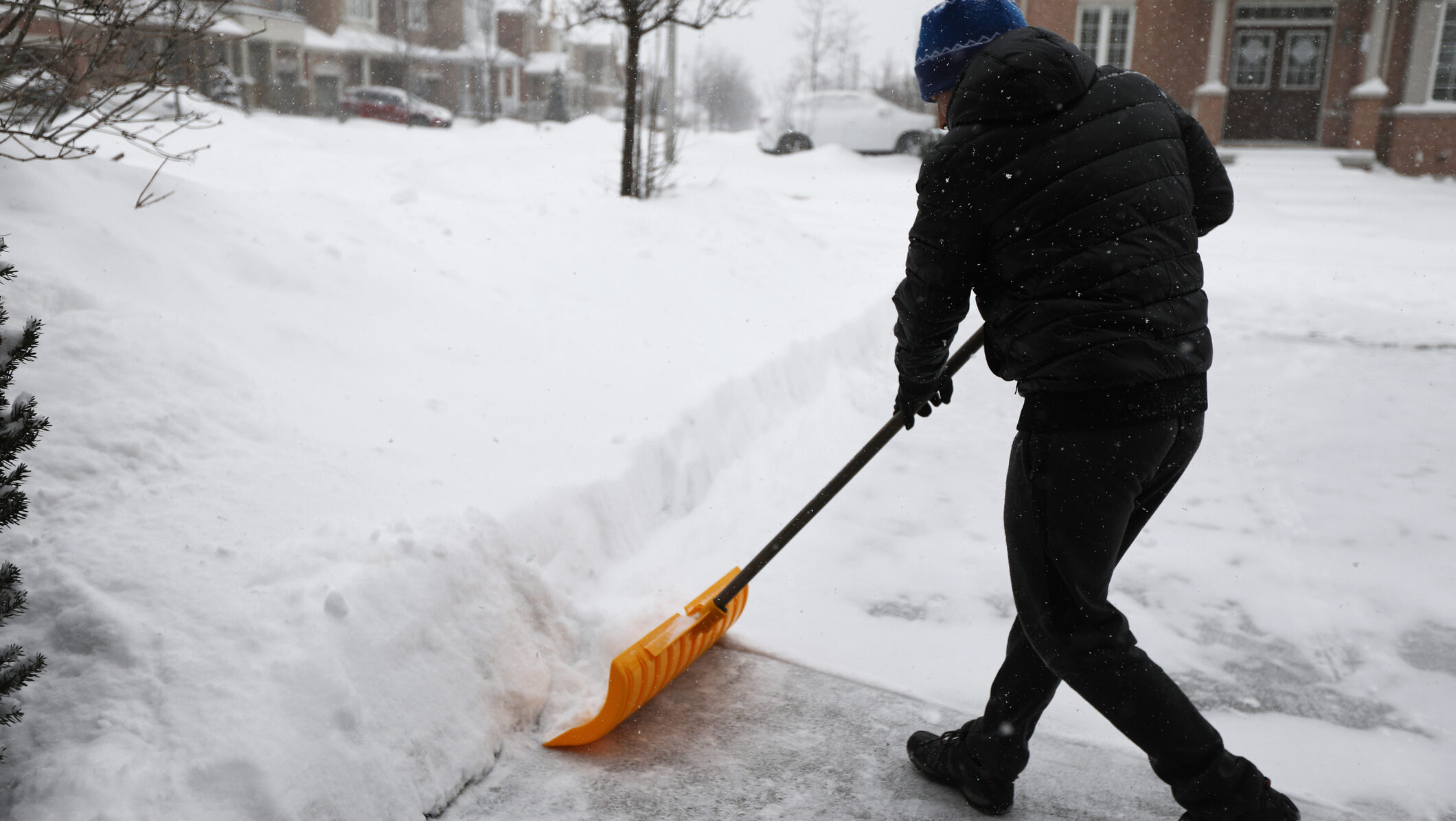
a paid “surge capacity” sidewalk‑shovelling program, directing senior staff to design a system that would pay residents or temporary workers to clear snow after major storms. The proposal, modelled on programs in New York City, Minneapolis and Montreal, is now slated for implementation no later than the 2026–27 winter season.
The decision follows a pair of council votes Thursday morning, where the amended motion passed 21–5 before the full item was adopted 17–9. The directive instructs the Deputy City Manager of Infrastructure Services, working with Transportation Services, the Chief People Officer, and the City Solicitor, to develop a program to rapidly deploy paid shovellers during major snowfalls. The goal is to supplement existing city crews and contractors when storms overwhelm regular operations. “Cities do best when we learn from each other and adopt best practices from other cities,” Mayor Olivia Chow wrote in a letter to the executive committee earlier this month. “We now have the opportunity to engage our counterparts in New York City on their recent success with a paid relief snow shovelling program, and implement lessons learned right here in Toronto.” The model is expected to draw on best practices from cities that already use paid community‑based or temporary labour to clear sidewalks quickly during heavy snow events. The program would not replace Toronto’s current sidewalk‑clearing system but would serve as an emergency layer of support during major storms — a key point raised by councillors, who argued that the city needs more flexibility as winters become increasingly unpredictable. The amendment directing staff to design the program passed with strong support on Thursday, with councillors Mike Colle, Vincent Crisanti, Stephen Holyday, Frances Nunziata and James Pasternak as the five to vote against. The program must be ready for implementation no later than the 2026–27 winter season, though city councillors signalled interest in launching earlier if feasible.
Mamdani-style public grocery stores are coming to Toronto—eventually
City council wants to sell you bread
The
City of Toronto wants to get into the grocery business, council decided today. Taking a page from New York City Mayor
Zohran Mamdani, Toronto will look into opening four non-profit, city-run grocery stores, which would sell staple goods at prices lower than those of grocery giants like
Loblaws and
Sobeys. According to the motion put forward by Councillor
Anthony Perruzza, the city would open four grocery stores, one for each of
Etobicoke,
North York, downtown and
Scarborough, and in low-income areas where fresh groceries are hard to come by. As not-for-profits, the stores would keep markups on foodstuffs to an absolute minimum. The city is also considering exempting them from expenses like property taxes and development charges, savings that could then be passed on to consumers. In theory, these aspects of the city-run model would keep prices lower at these stores than their private, for-profit competitors. Council was near-unanimous in its support of the idea, with the sole exception of Councillor
Stephen Holyday—a man with a
reputation for going it alone against popular proposals. “I don’t think the government could possibly run this more efficiently than the private sector does,” he said during the debate, reports journalist Matt Elliott on
Bluesky. City staff also threw some cold water on the proposal, with a financial impact report noting that no money yet exists in the city’s budget to open new grocery stores, and that doing so could cost quite a lot indeed. To make it work, the city would have to acquire buildings, buy refrigerators and set up entirely new supply chains, staff pointed out, and it’s unclear what all that would cost. Creating a brand new grocer is no small task, and the city has given itself a while to figure it all out. City staff aren’t due to report back with a plan until spring 2027, a whole year from now, and actual implementation would only happen sometime after that. Unfortunately for our checkbooks, grocery stores are slow-growing fruits.