





YEG Bus Rider
Active Member
Routes 54, 56, 901 and 903 have 30 min service on Christmas Day this year. Route 106 has been reduced to 60 minutes.
|
|
|
Routes 2-9 reduced from 20 minutes to 30 minutes this year. Secord (919) has service this year.Routes 54, 56, 901 and 903 have 30 min service on Christmas Day this year. Route 106 has been reduced to 60 minutes.

View attachment 700186
Highest Q3 numbers we've had in APTA since 2019
I mean my bad take theories are:Interesting that aside from Bow Valley, York Transit, and GO Transit, everyone is down Sep 25 compared to Sep 24, and half are down Year to Sept 25 vs Year to Sept 24 (Edmonton is up)

If open payment launches on December 8 as intended, hopefully that'll help boost the numbers a bit more. If someone needs to head a few blocks down Whyte, go to an event, or are from out of town, being able to tap something they already have with no extra thought or effort needed, ETS will be that much more competitive with other options (including walking).These numbers are very positive and a source of pride right now at ETS. Just everyone don't freak out too much when Q4 numbers are released and it shows a huge decline. The three weeks of school strike had ridership down 25% on the buses. LRT is not as affected but Q4 numbers will be brutal.
Is open payment going to be based on regular $3.50 fares? Just realized that might give a big boost to fare revenue when that happens.If open payment launches on December 8 as intended, hopefully that'll help boost the numbers a bit more. If someone needs to head a few blocks down Whyte, go to an event, or are from out of town, being able to tap something they already have with no extra thought or effort needed, ETS will be that much more competitive with other options (including walking).
I was under the impression that anyone using a card of any type (Arc Card, debit card, credit card) would be paying $3.00 while anyone using cash or purchasing an Arc Ticket from a vending machine would be paying $3.75. This is to encourage everyone to either just have an Arc Card or tap with debit or credit.Is open payment going to be based on regular $3.50 fares? Just realized that might give a big boost to fare revenue when that happens.
Crosstown routes are doing well.I mean my bad take theories are:
- Edmonton's population growth contributing to ridership growth (this one's obvious)
- More infill around LRT helping a bit? The amount around Valley Line SE is subtle but expansive.
- CoE actually investing more in transit having an effect?
- Super unfounded but transit safety perception hit us earlier than other transit systems, so we're getting earlier recovery than other transit systems?
- Downtown recovery and RTO. Probably going to get a boost in February as well, but as downtown grows, LRT ridership grows.
- Post secondary institutional strength contributing to LRT ridership numbers
- Driving becoming a pain. Overheard multiple people finding it anxious to drive and switching to public transport for bad weather conditions and bad drivers.

 edmontonjournal.com

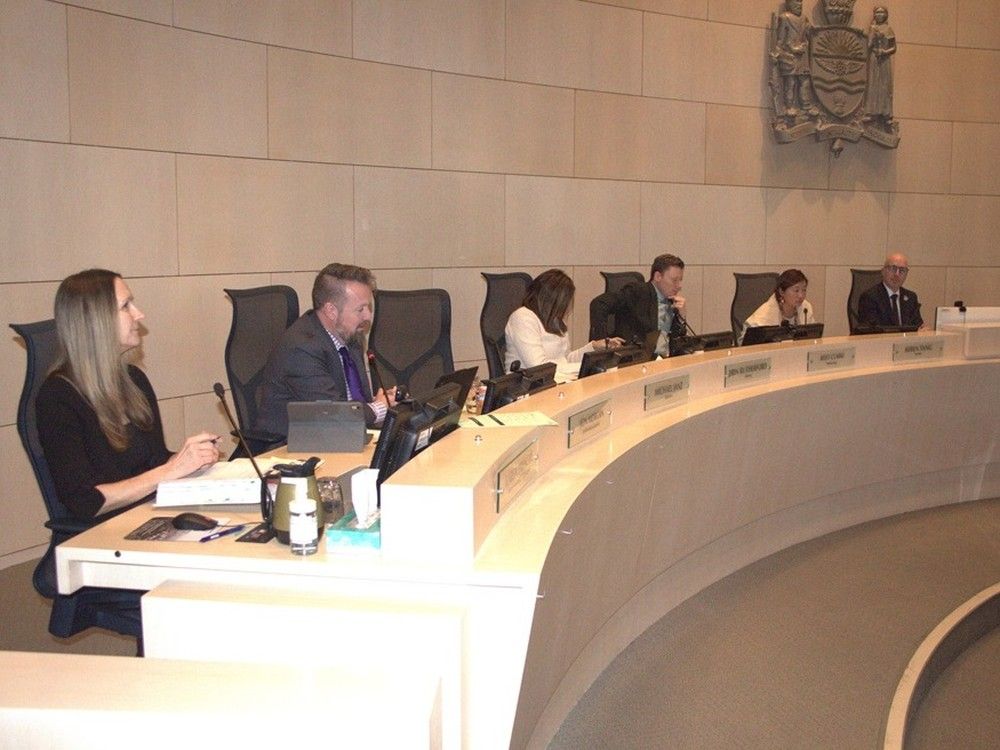
Edmonton councillors vote to purchase 25 new buses on Day 2 of budget talks
Councillors opt to keep bike rack replacement for ETS, new transportation command centre and continue with Argyll Velodrome demolition.
We're getting 25 new buses
ETS has a long term contract, so yes.People who know more about buses than me, what are we going to be getting?
25 New Flyer Xcelsior Clean Diesels?
And new bike racks!Edmonton councillors vote to purchase 25 new buses on Day 2 of budget talks
Councillors opt to keep bike rack replacement for ETS, new transportation command centre and continue with Argyll Velodrome demolition.
We're getting 25 new buses