News   GLOBAL  |  Apr 02, 2020
 11K     0 
News   GLOBAL  |  Apr 01, 2020
 43K     0 
News   GLOBAL  |  Apr 01, 2020
 6.7K     0 
The ironically named sovereign wealth fund seems like another desperate workaround that yet again fails to address the root cause of the problem.

Perhaps Carney should read this:

"Canada’s leading industry groups say Prime Minister Mark Carney’s effort to cut red tape is floundering, costing the country billions more in trade losses than US President Donald Trump’s tariffs. Forestry, oil and gas, and car industry representatives told the FT they are frustrated at the pace of regulatory reform that is central to Carney’s efforts to insulate Canada from Trump’s devastating US trade war. "
I think Carney is well aware of the issues but the reality is he can't just do what he wants. A lot of red tape is actually on the provincial side. The provinces and industry all have their own interests and agendas that he needs to navigate along with the political system and processes.
 
I think Carney is well aware of the issues but the reality is he can't just do what he wants. A lot of red tape is actually on the provincial side. The provinces and industry all have their own interests and agendas that he needs to navigate along with the political system and processes.
Too much of this discussion of "red tape" is focused on anecdotes like different trucking regulations between provinces. The reality is, it doesn't really matter that trucking regulation for apples is different between AB and QC, because we get our apples from BC and they get theirs from Ontario. We import US goods because it is cheaper and closer. Canada is an extremely wide country. AB trading with NB is not more efficient than us trading with Colorado, or them trading with Maine, no matter the red tape. The idea that different trucking regulations, or similar interesting facts are what's holding us back is just not true. Industry have lobbies. If something random like trucking sizes is such a deal breaker that it's costing companies millions, they would've lobbied to change that years ago.

The true regulatory hurdles are not these simple little problems. We've reduced some environmental assessments, consultations and other regulations, but there are trade offs. Canada recently authorized the use of strychnine in the prairies for controlling gopher population that are destroying crops. But the trade off is that it's a very toxic poison that by function of being deployed to control wildlife, will kill other animals, and have other ecological effects. If we had banned the use of strychnine, that would likely be a "regulation" farm groups would complain about for making their costs higher than the US or other global producers and thus uncompetitive. But calling every regulation "red tape" makes it sound like it's always useless regulation, and those do exist, but far more have real tradeoffs. We can cut red tape and build data centres that skip impact assessment, but what if there are real impacts to people's electricity, water supply and environment? The government and us collectively will end up bearing those costs.
 
Something is missing for me; nothing is addressing why people are not getting into the trades. I don't think money is the issue, but I could be wrong. What I see is a culture that does not value that work. Also, that work is hard, it isn't 9-5, and it is hard on your body. In my opinion there needs to be a full-on, multi-year (decade long) campaign elevating the status of being in the trades. There also needs to be some reform in the work-life balance of the trades.

The irony of the jobs AI isn't eliminating are the ones that need to be filled but aren't. Feels like this should work itself out but it just might not be a smooth transition.
 
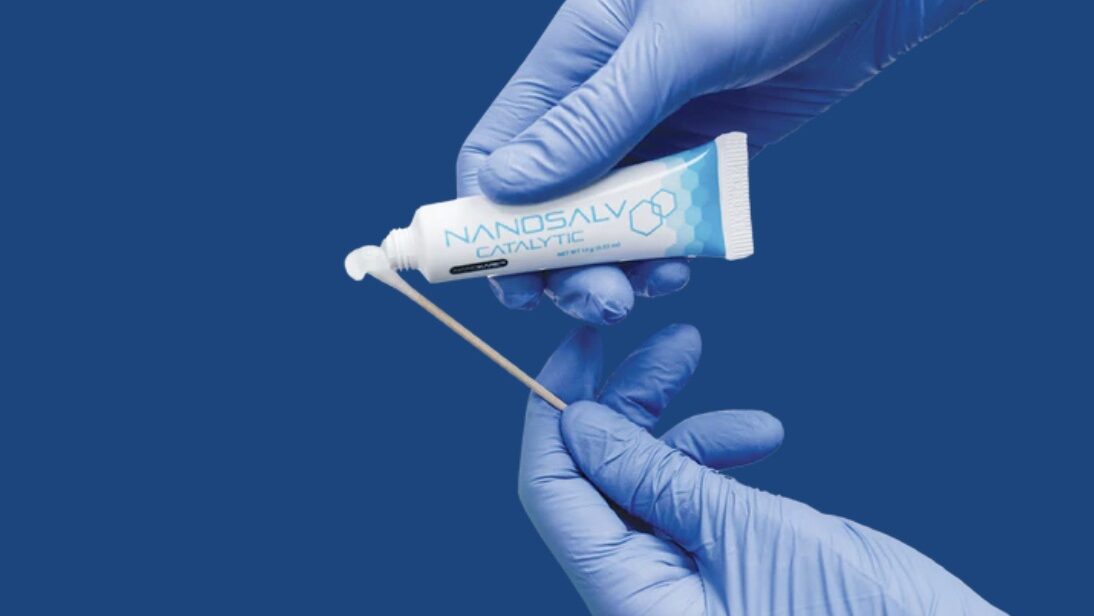
"A next-generation approach to wound care that utilize small, efficiency-boosting catalysts to speed up the body's natural healing processes. These catalysts act like "traffic conductors," managing complex healing mechanisms, reducing inflammation, and providing antimicrobial protection to help chronic wounds close."
 
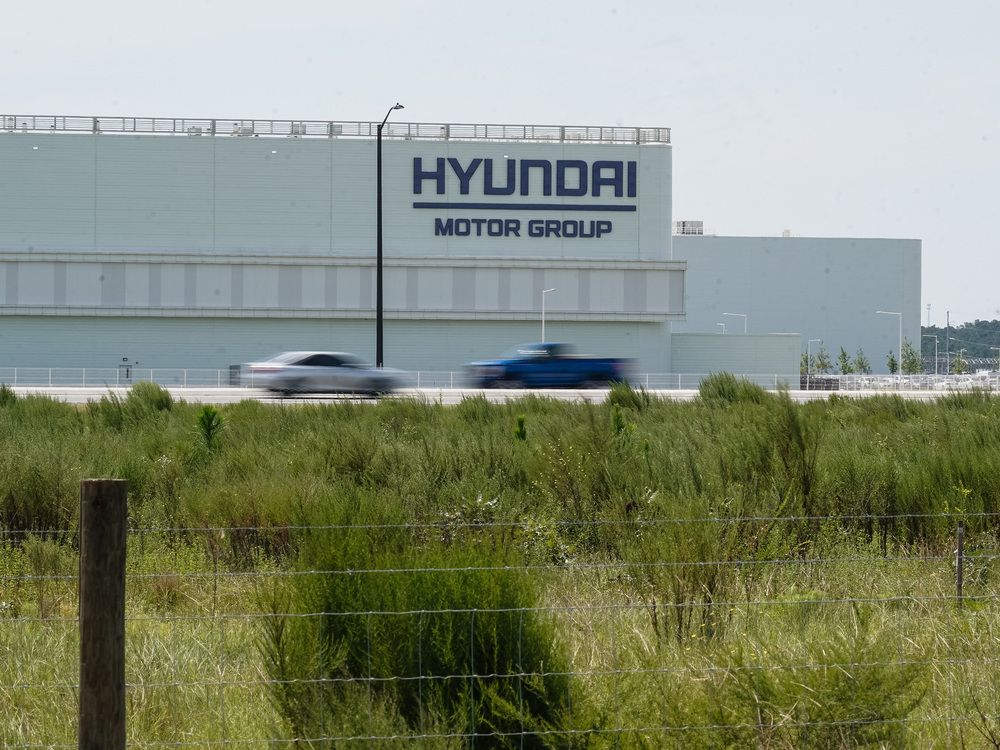
Is it just me or do the Koreans seem to be trying much harder to win this than Germany? They haven't been able to export their military gear and have less natural buyers, I'd take whoever will invest more in being a real partner than just a customer.
 
Is it just me or do the Koreans seem to be trying much harder to win this than Germany? They haven't been able to export their military gear and have less natural buyers, I'd take whoever will invest more in being a real partner than just a customer.
Being a conglomerate that can manufacture a wide range of products helps
 
Probably won't impact Alberta directly but would be helpful with procurement financing

 
Probably won't impact Alberta directly but would be helpful with procurement financing

This is why you stay in Canada, Quebec. You get shiny things like defence banks.
 
Same for this province.
Right... Alberta could actually benefit from one of the sub deals. Forgot about that in the long list of things that have been promised.

Buys hat: Make Alberta (a) Hydrogen Corridor... In reference to the Korean sub bid including a Hydrogen Corridor for "Heavy-Trucking" and Trains.


Back
Top