I agree arguments like parking is overblown. It should be looked at and is via parking and traffic studies. Many homeowners complain "my neighborhood is more busy", but that doesn't mean it is objectively busy via traffic measures.
Schools I have much more sympathy for. Looking at enrollment maps, it's just not true that inner city schools have less students than they used to, they're sometimes the most crowded schools. If I live in a community and have kids, and my school is already at or exceeding capacity, it's very logical to oppose blanket rezoning.
We recently had a LAP done in our area, the Riley Plan. My problem with LAPs is that they are not followed. When a development is actually proposed, developers often ask for a bunch of relaxations, and the city approves them. One recent example is West Nineteenth, which was appealed at SDAB. I have no issue with the development and actually see it as a benefit, but it asks for a bunch of relaxation to the LAP completed less than a year ago and the city approved it. So what was the point of the LAP process?
Another issue I have with LAP is there is no timing. A lot of development in my area say we are on the Primary Transit Network, so they can have less parking than in the LAP/zoning. It is usually referencing the number 1 bus, which is on the "Future ideal PTN map" but is not currently running at PTN frequencies, with no concrete plans to become PTN. So should the development be allowed with PTN parking reductions? It becomes a chicken and egg problem, will more people increase demand for the bus so the city invests in PTN, or will the people realize the bus is not frequent enough so buy a car and the city says ridership doesn't justify increase to PTN frequency?






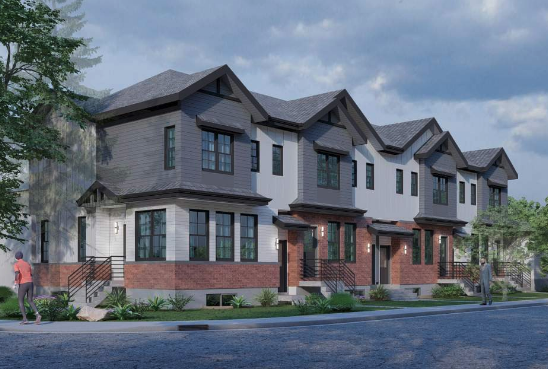
livewirecalgary.com


