81-717
Active Member
The H6s are the ones that got a light refurb, only to be retired a short 7 years later. The H5s were rebuilt in the 1990s (saved them from getting replaced with more T1s), and 50% of the H4s were rebuilt in the very early 2000s (iirc) to keep running another decade (rush hour only).
The H5s in particular went through a couple of courses of rather intensive work to keep them running reliably. The one that APTA-2048 refers to in the 1990s specifically was a rather major structural rebuild, to deal with structural corrosion issues.
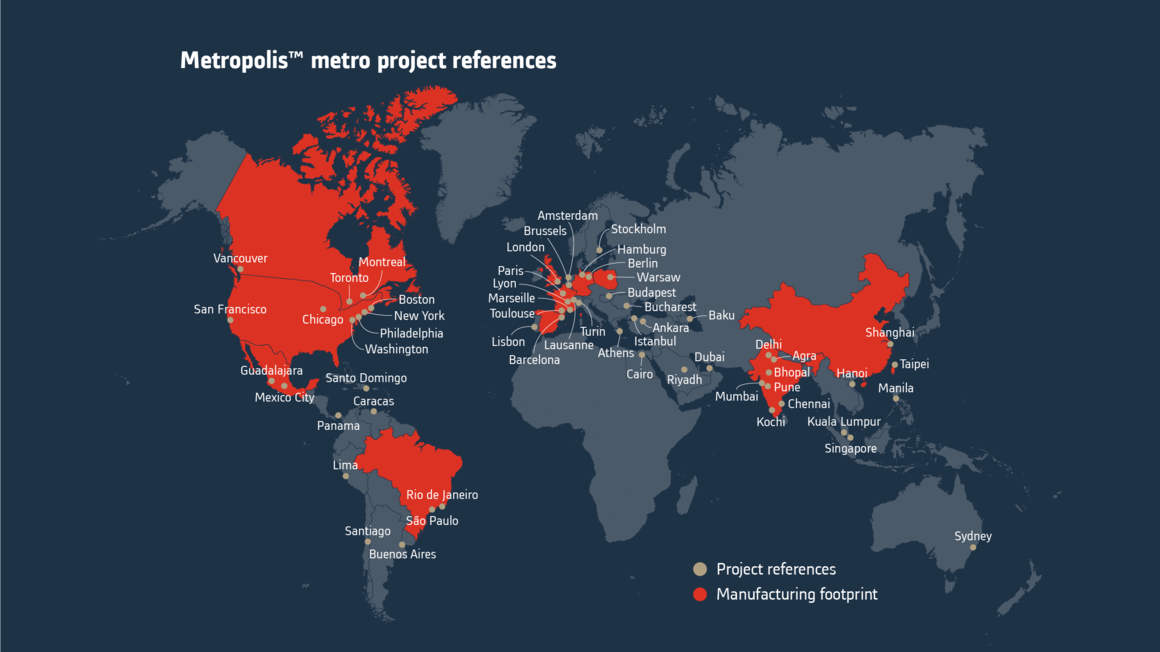
Indeed, the ones in Warsaw or Budapest have essentially nothing in common with, for example, REM, so it's hard to even see the logic of grouping them into the same family. I assume the same is true of the Movia family, which the TR is part of, even though the TR has nothing in common with the Bucharest metro, or the C20 & C30 in Stockholm (and again, the C20 & C30 don't really have much in common with each other).Note that the name "Metropolis" is a marketing catch-all, and really does not mean much at all in the grand scheme of things. It does not mean that the equipment will share some or any common features.
In some cases, there is absolutely no parts commonality between members of the "family". The only thing that they have in common is that Alstom has decided to name the rolling stock that.