News   GLOBAL  |  Apr 02, 2020
 11K     0 
News   GLOBAL  |  Apr 01, 2020
 43K     0 
News   GLOBAL  |  Apr 01, 2020
 6.7K     0 
They are saying hurry up and tell us you are interested, companies have 2 months to think about whether or not they want to make the investment of time to bid. I'm not sure why they couldn't tighten up the time between the deadline and RFQ... it seems like they could be figuring out what they are looking for earlier. Turning around the RFQ review in a quarter seems normal. An RFP that runs for a year and a half for a project of this scale actually seems reasonable because with a route that long there will be a lot of information to gather to understand all the assumptions being built into the RFP. I'm surprised that there isn't an environmental assessment timeline mentioned because bundling that into the RFP will push timelines for sure and I would think that without a rough design and the start of the environmental assessment work completed the risk left inside the RFP would be much greater.
 
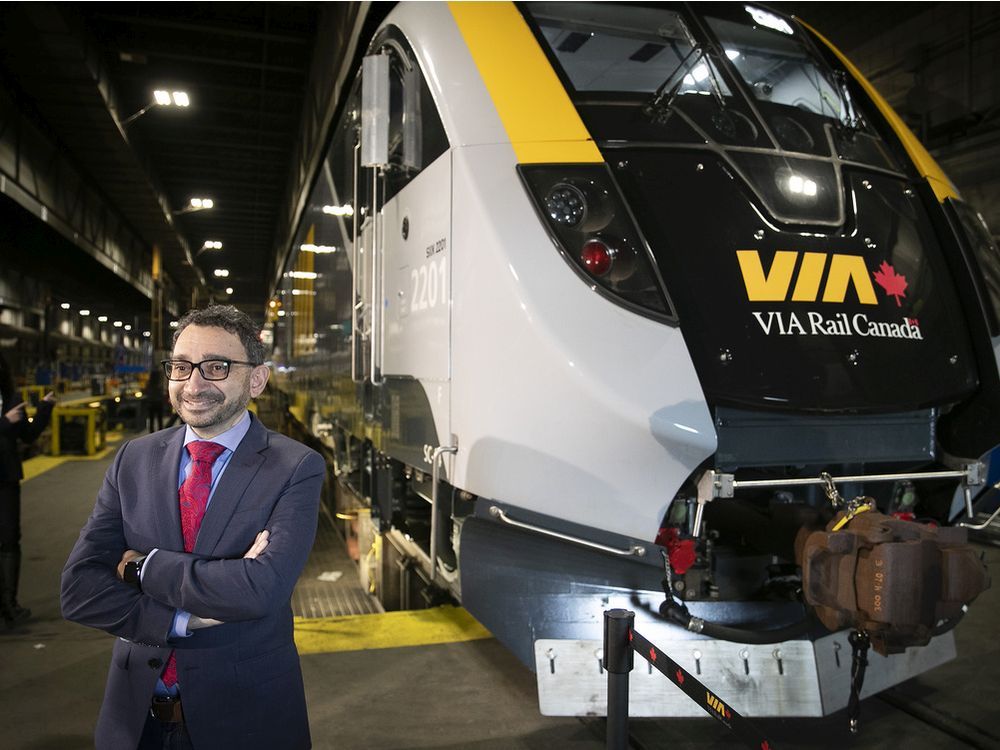
Seems a bit anti-climactic after 8 years of work. Not even an image for the event.


She'll be coming around the mountain, she'll be coming around the mountain ...
Exactly. All the talk about working with the REM team to ensure tunnel access, all the talk about the studies they were doing to prepare this business case, and nothing to show for it that wasn't shown when this whole thing was pitched by VIA many years ago. What is the route? How long will it take?
 
Yes, and there are multiple Canadian vendors with past experience in building just such structures (albeit smaller, perhaps) under Canadian conditions with Canadian content requirements.

Even writing the spec for HFR is new ground for Canada. There are vendors who build railway lines, off shore. The US lines are progressing but with lots of hard lessons learned. The political risks of a contract that is less than iron clad are apparent - look at Ottawa and Toronto Crosstown LRT’s, for instance.

I’m not saying it’s impossible, but for the Ottawa transport bureaucracy, even selecting a vendor and writing a contract is new territory and outside the comfort zone of many.

- Paul
The whole point of the Infrastructure Bank was to be the Federal equivalent to CDPQinfra. It's clear by now that they can't do jack. They should just give the project to the CDPQi and make it happen. I worked nearly ten years for the Feds and while the employees may be dedicated, the politics and management screw everything in terms of speed and efficiency of delivery.
 
This is turning out exactly like Ontario HSR. They keep talking about it and never do anything. Once there's a change of government, it'll get killed.

RFP by end of 2024 means there will not even be construction start before 2026, at the earliest.

That is two election cycles from now. The political risk profile is terrible.
 
This is turning out exactly like Ontario HSR. They keep talking about it and never do anything. Once there's a change of government, it'll get killed.

RFP by end of 2024 means there will not even be construction start before 2026, at the earliest.

That is two election cycles from now. The political risk profile is terrible.
Assuming that the Trudeau Government keeps it's mandate for the 4 year term that's only 1 election cycle. Regardless of who the new government is, someone has to do something to make moving in Canada easier with less carbon footprint.

So unless they are NOT a believer in Global Warming or in favor of reducing our carbon footprint then odds are it's going to get built.

Also if the bids have been awarded it's not going to be cheap to cancel those contracts.
 
Maybe this has been covered above, but why did they did a Request for Interest before a Request for Qualifications? Why couldn't they just proceed with a Request for Qualifications? How does the RFI portion even work? Do companies get any kind of compensation for their participation and the time invested by staff?
 
Assuming that the Trudeau Government keeps it's mandate for the 4 year term that's only 1 election cycle.

First off, this is a minority government. They don't tend to last as long as majorities. Next, there's no guarantee the next government won't be minority either. So it's at least one election. And the risk of calculation before shovels get in the ground is high. Best case scenario for construction start is 2026. Reality is that it's like 2028. That's at least two elections cycles.

Regardless of who the new government is, someone has to do something to make moving in Canada easier with less carbon footprint.

Someone should do something. Doesn't mean that they will. And of late, the federal conservatives are going back to climate change denying and minimizing ways.
 
Maybe this has been covered above, but why did they did a Request for Interest before a Request for Qualifications? Why couldn't they just proceed with a Request for Qualifications? How does the RFI portion even work? Do companies get any kind of compensation for their participation and the time invested by staff?
Before you issue an RFQ or RFP, you need to already have a clear idea of the specs. If you don’t have that, you need to first ask potential proponents for their suggestions of what the specs should allow for. VIA did the same for the fleet renewal by holding a market day, but for such a complex project as HFR, you probably need a much more formal industry consultation process…
 
Maybe this has been covered above, but why did they did a Request for Interest before a Request for Qualifications? Why couldn't they just proceed with a Request for Qualifications? How does the RFI portion even work? Do companies get any kind of compensation for their participation and the time invested by staff?
No payment for request for interests. Usually no for request of qualifications. Sometimes yes for actual proposals, since you can spend millions of dollars to put together an offer. Big infrastructure projects pay the consortia for that work.
 
Absolutely disgracefully laughably slow. This is the textbook definition of the stereotype of government moving too slowly on projects like this.

Shovels should be on the ground in 2024, not a finalization of RFP. Embarrassing.
Given that the scope and scale of HFR seems to have progressively crept towards HSR, it’s hardly surprising that its timeline does the same, even though this was exactly the trap the project initially sought to avoid by proposing an alternative to HSR which should have been much quicker and cheaper to implement…
 
Last edited:
Given that the scope and scale of HFR seems to have progressively crept towards HSR, it’s hardly surprising that its timeline does the same, even though this was exactly the trap the project initially sought to avoid by proposing an alternative to HSR which should have been much quicker and cheaper to implement…

IMO they should do the project in phases. Build the tack asap, and throw some Siemens Chargers on it.

Then electrify and the Chargers can go to other routes.
 

Back
Top