





innsertnamehere
Superstar
Interesting that It's still a City of Toronto procurement.
|
|
|

427 to Humber was also posted https://www.toronto.ca/business-eco...tal/#all/8d7ad091-1619-4943-9832-56e5c5e8daf4Tender call for EAST SECTION @ CHERRY
This is the part I am most interested in as the City completed an EA on some (minor) alignment and interchange improvements on this part just over a decade ago. I'm curious if they still plan on implementing those changes or just rebuilding the highway "as is".427 to Humber was also posted https://www.toronto.ca/business-eco...tal/#all/8d7ad091-1619-4943-9832-56e5c5e8daf4
There are a couple new details that should make the structure more durable:Does anyone know if any kind of newer tech is being used on this road deck? We learned years ago that concrete is porous and doesn't protect the rebar from salt damage. I know there are lots of new technologies like using specially treated rebar, coating the rebar in rubber or even using composites instead of metal at all. Anything used? Or in typical Toronto fashion are we just building as cheaply as possible, repeating the same mistakes and screw the future.

Well, if it requires less maintenance and therefore less cost to keep it operating safely, I think that we can take that as a minor win.So, is the possibility that Gardiner 2.0 will last longer than the original good news or bad?

What about fiberglass rebar? I've seen more examples of this being used in bridge/road construction in Canada. While one can argue it's more expensive, you can actually deliver more material per shipment and its easier to move on site due to it's light weight. IMO this is the project to use that on, but I'm glad to hear that there are already other efforts being made to mitigate deterioration (esp. waterproofing)There are a couple new details that should make the structure more durable:
- Stainless steel are being used in areas prone to chlorine penetration (i.e. top of the deck, barrier walls, pier caps)
- Concrete deck waterproofing
- Elimination of deck expansion joints to prevent water leakage into the pier bents (this is the most effective aspect of this rehabilitation)
FYI, epoxy-coated rebars are not very corrosion-resistant and are no longer used in bridge structures.
In terms of price, I think FRP and stainless reinforcements are somewhat similar, stainless steel might even be more expensive.What about fiberglass rebar? I've seen more examples of this being used in bridge/road construction in Canada. While one can argue it's more expensive, you can actually deliver more material per shipment and its easier to move on site due to it's light weight. IMO this is the project to use that on, but I'm glad to hear that there are already other efforts being made to mitigate deterioration (esp. waterproofing)
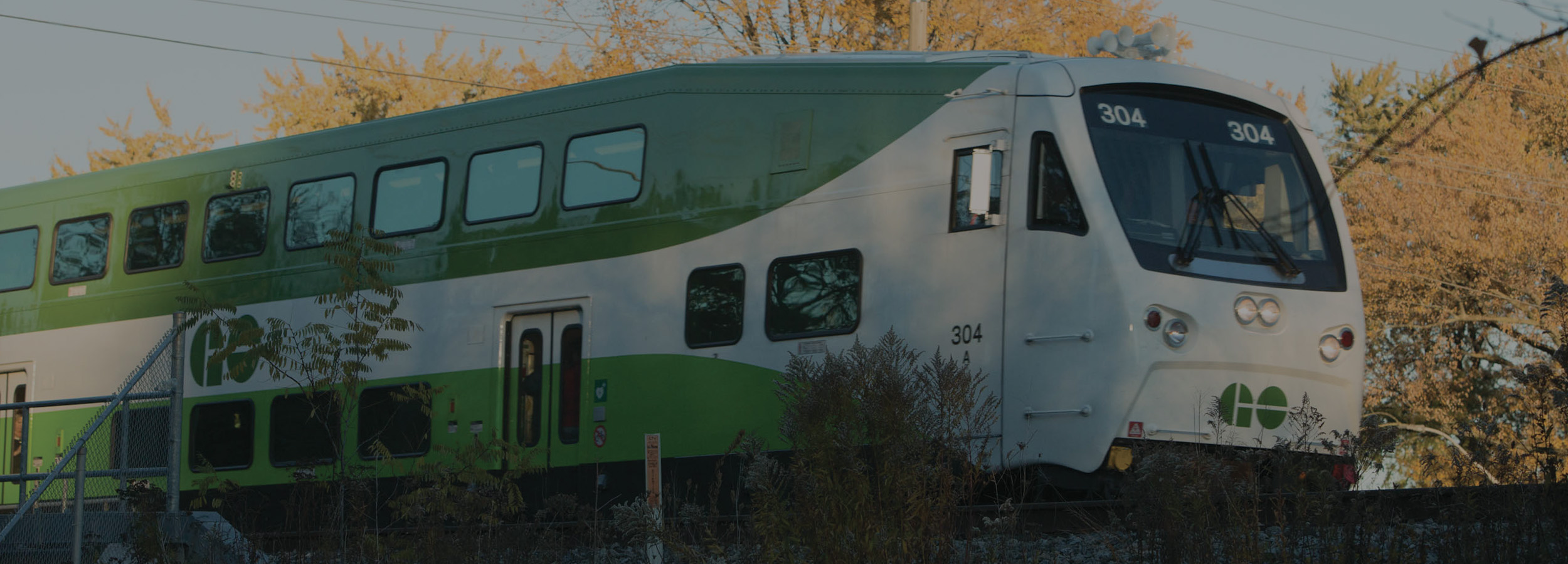

Just underscores how much more important transit is vs. the Gardiner if a limited service commuter rail system carries more than a highway that operates 24/7, 362 days a year.I was surprised to read the Gardiner alone transports almost as many people per year as the entire GO Train network. This checks out is GO says they have about 70 million passengers per year and Gardiner 140k vehicles (so more passengers) per day (55M per year). These numbers much closer than I expected and really underscore The Gardiner's importance.
Does anyone know the expected ridership of GO Transit once the key lines are electrified with 15 minute all day service (RIP Milton Line)?
All About GO Transit
GO Transit is the regional public transit service for the Greater Golden Horseshoe.www.gotransit.com
Keep in mind almost everyone on the GO is coming from outside the cityJust underscores how much more important transit is vs. the Gardiner if a limited service commuter rail system carries more than a highway that operates 24/7, 362 days a year.
The Gardiner is also only 1 out of two downtown Freeways - the DVP carries similar (albeit slightly lower) numbers.Just underscores how much more important transit is vs. the Gardiner if a limited service commuter rail system carries more than a highway that operates 24/7, 362 days a year.
Which is exactly why it should be tolled.The Gardiner and DVP remain critical for "regional" type trips in and around Downtown, specifically, for events, etc. The vast majority of commuters use transit. GO Expansion should help shift some of these regional trips to transit, but the Gardiner / DVP will always be important in getting goods and people into and out of the downtown.